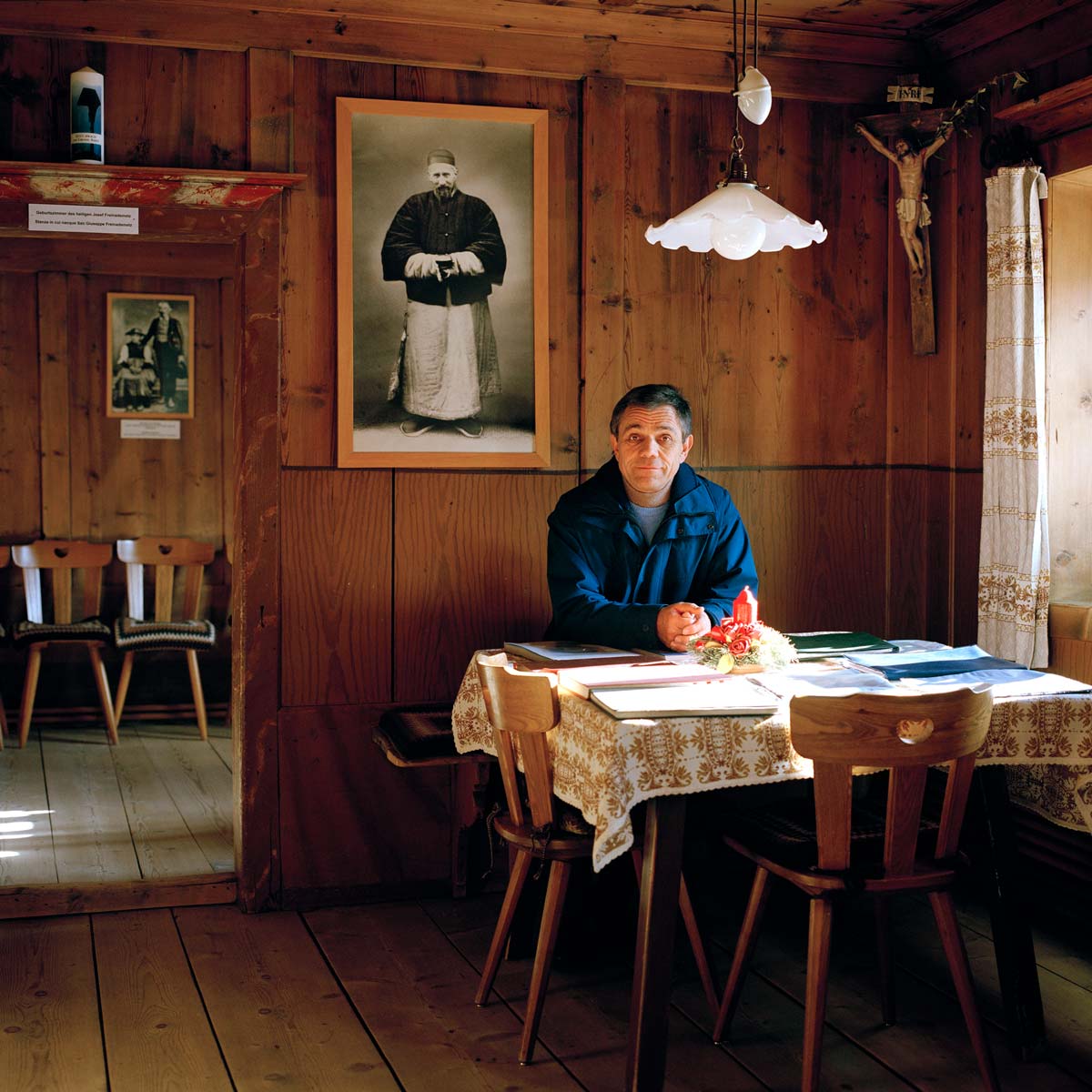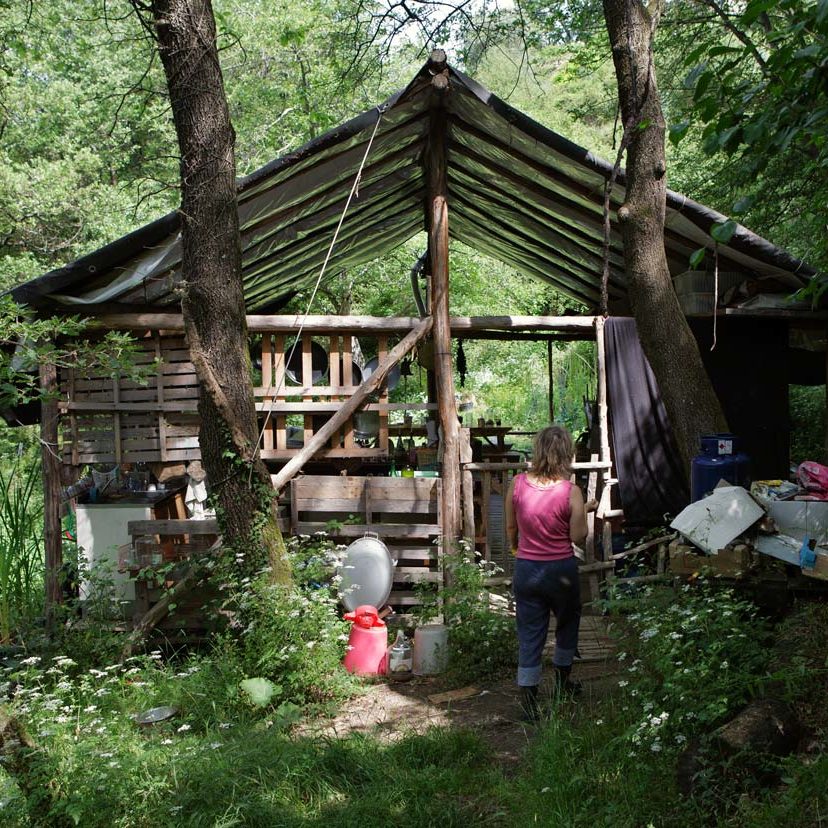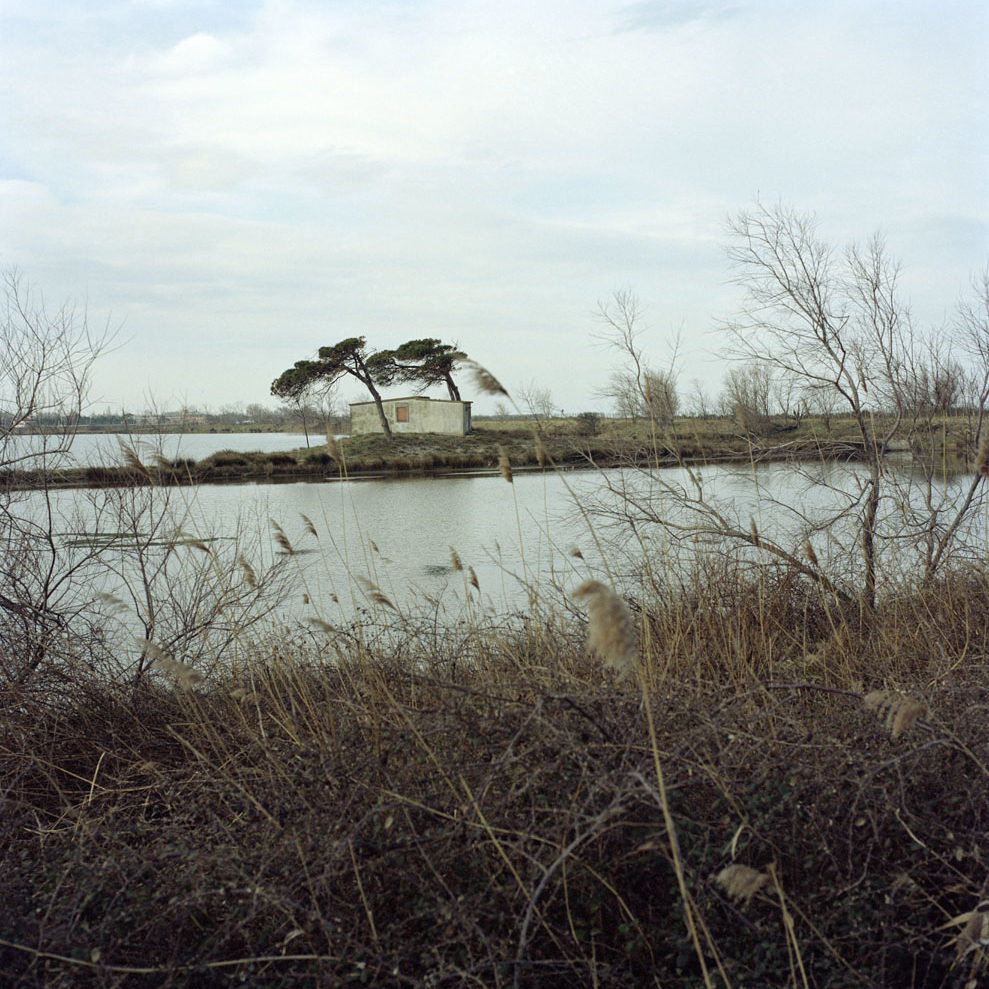
… quante mai persone, ditemi, hanno cambiato dalle nostre parti due o tre volte in vita loro di nazionalità, di religione, di partito, di nome. Come se fossero state concepite in barca, si sono fatte della vita un’idea d’instabilità, di transitorietà come unica definitezza.
Nelida Milani, Impercettibili passaggi
…tell me how many people from these parts, have ever changed their nationality, their religion, their political party, even their very name two or three times during their lives. It seems as if they had been conceived on a boat, and they got a sense of life in terms of instability, of transience as the only definiteness.
Nelida Milani, Impercettibili passaggi
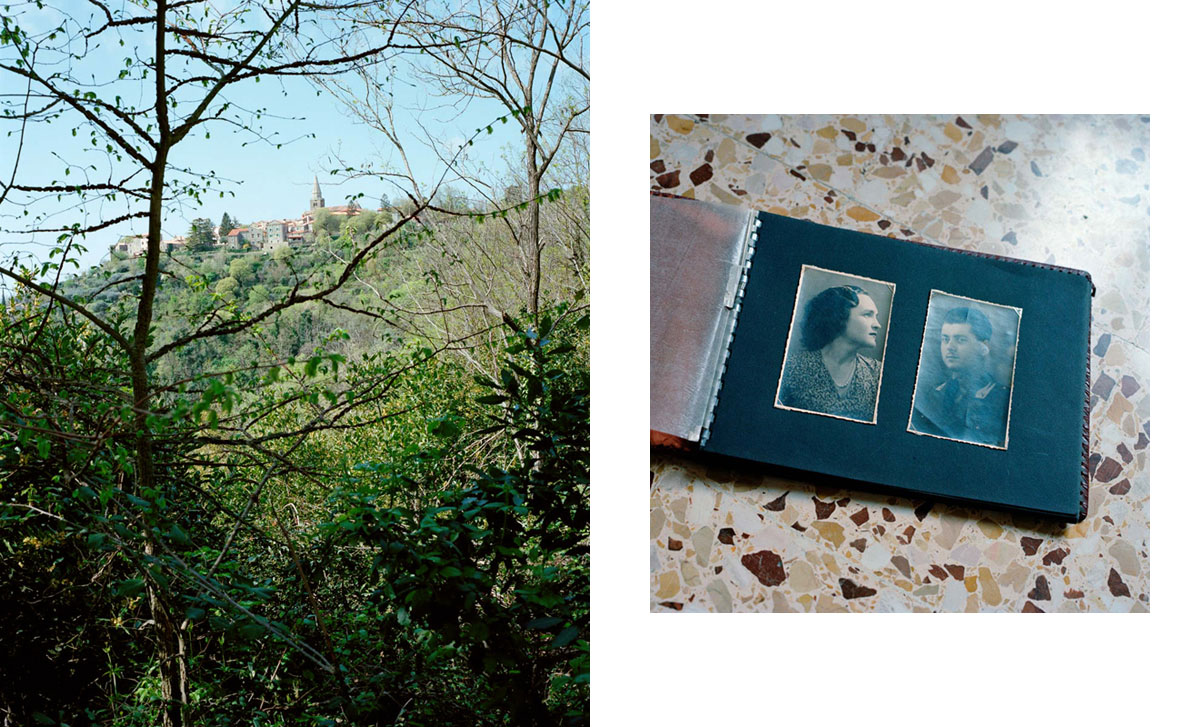
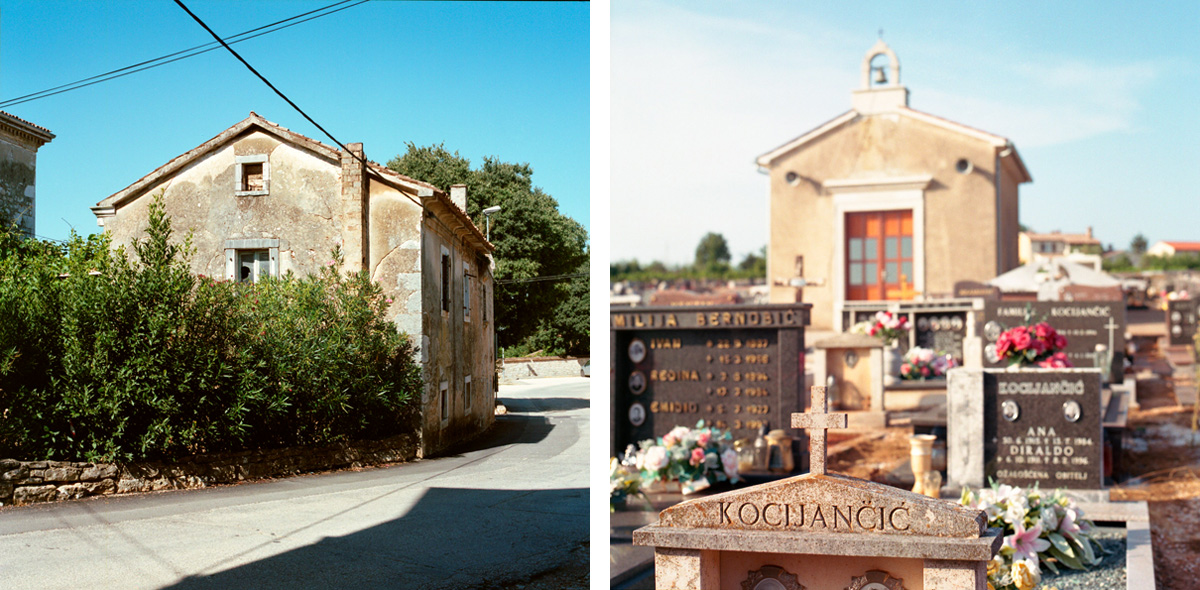
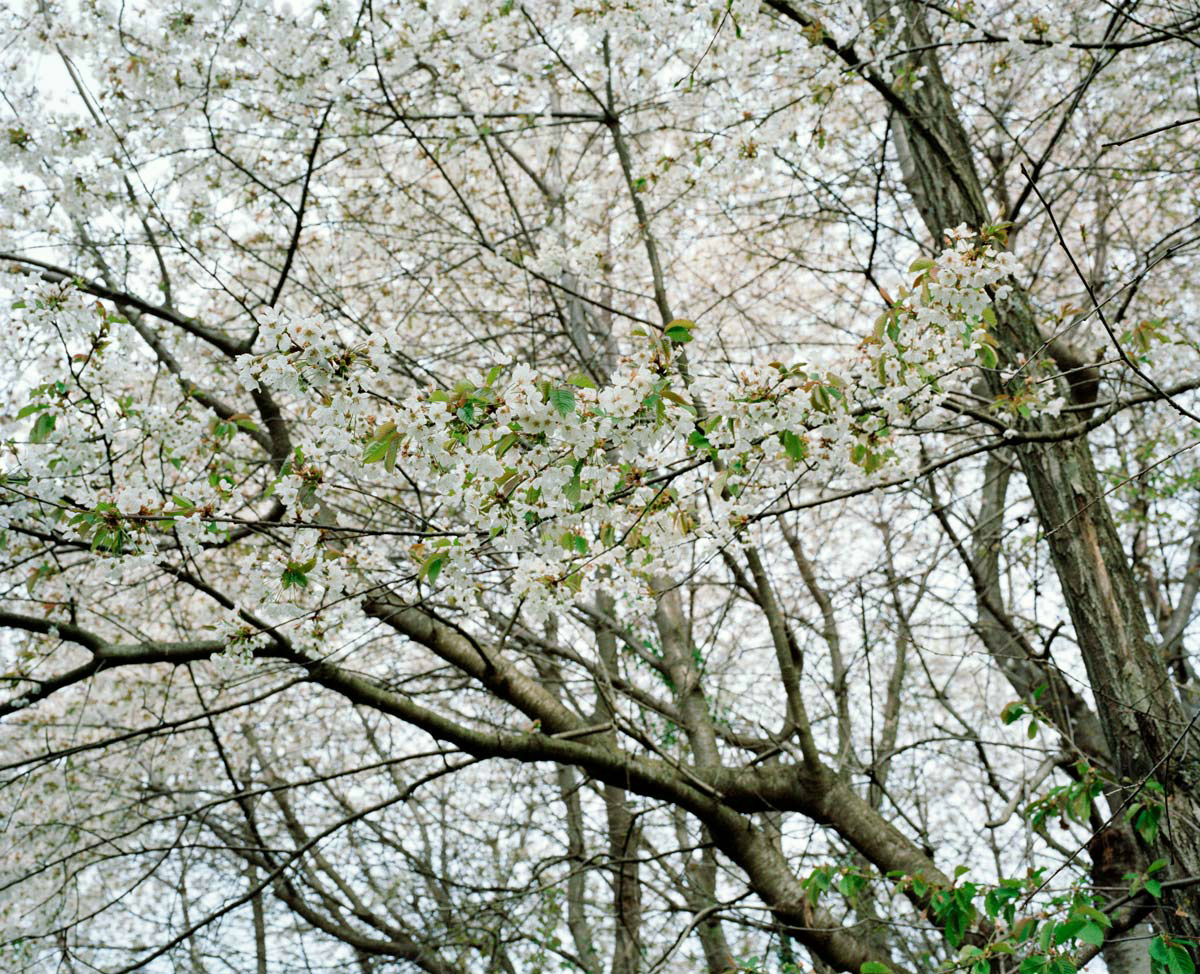
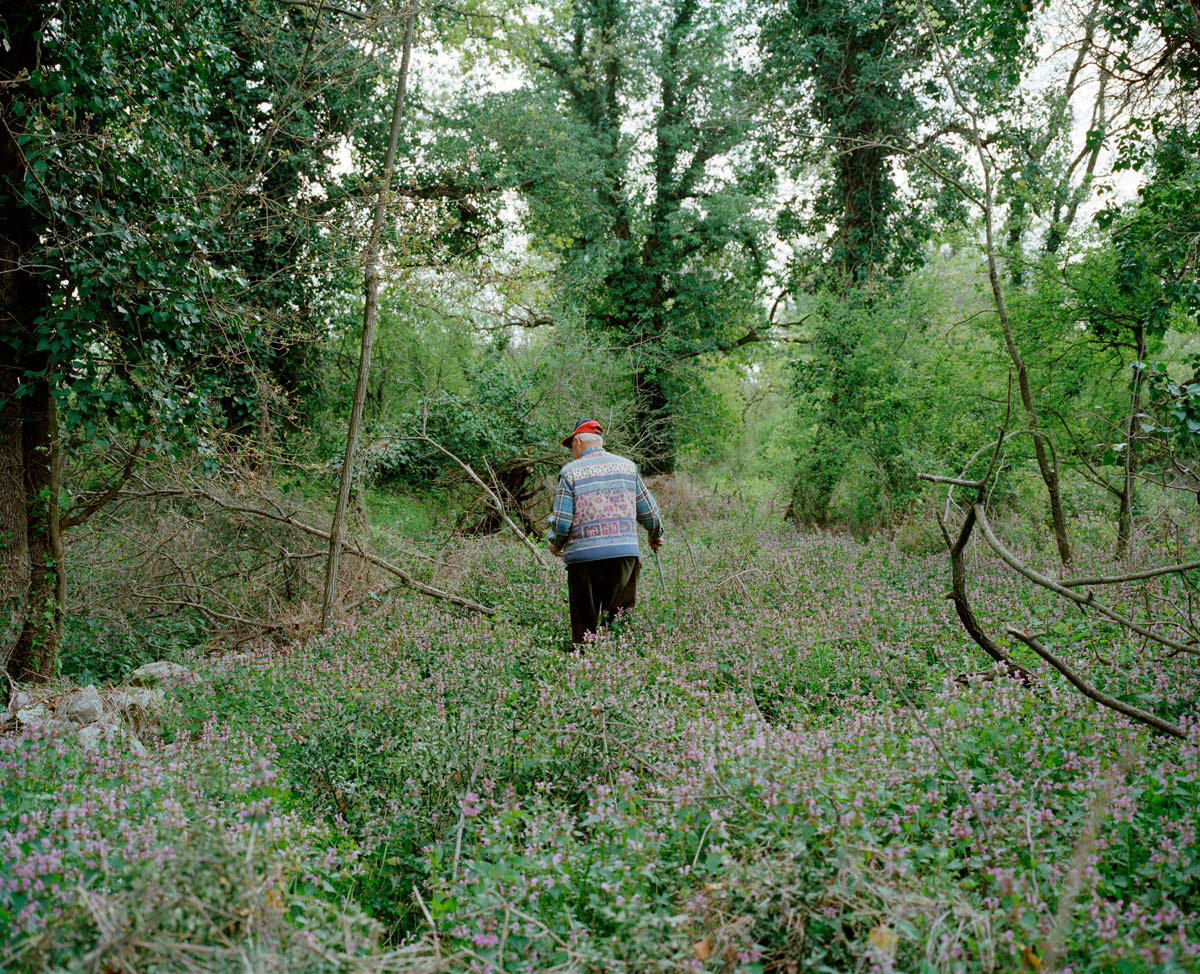
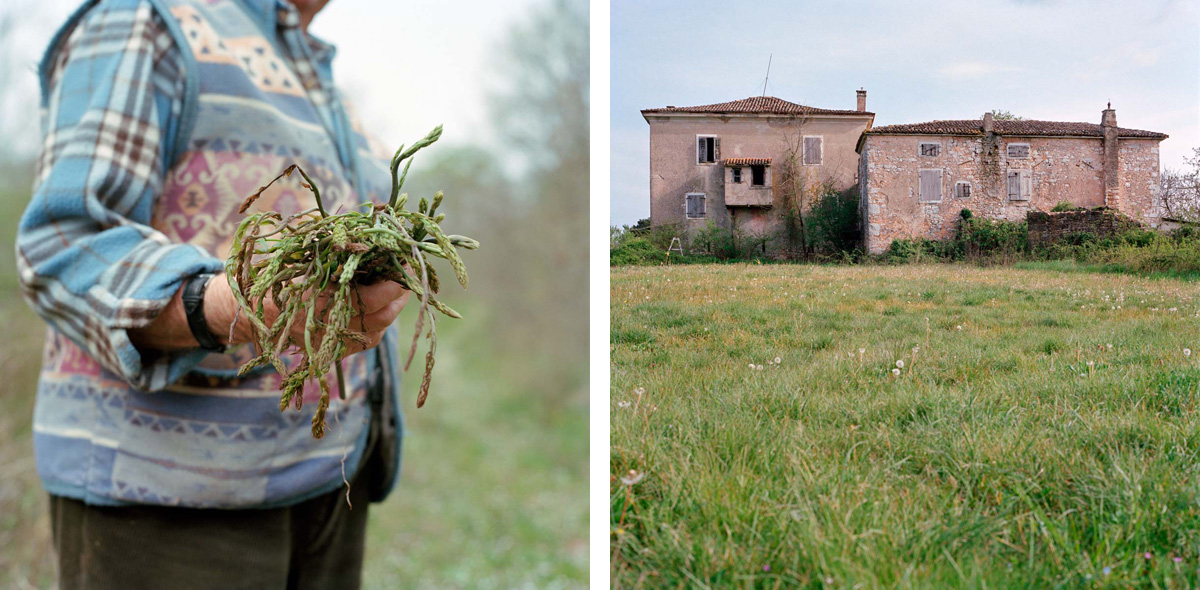
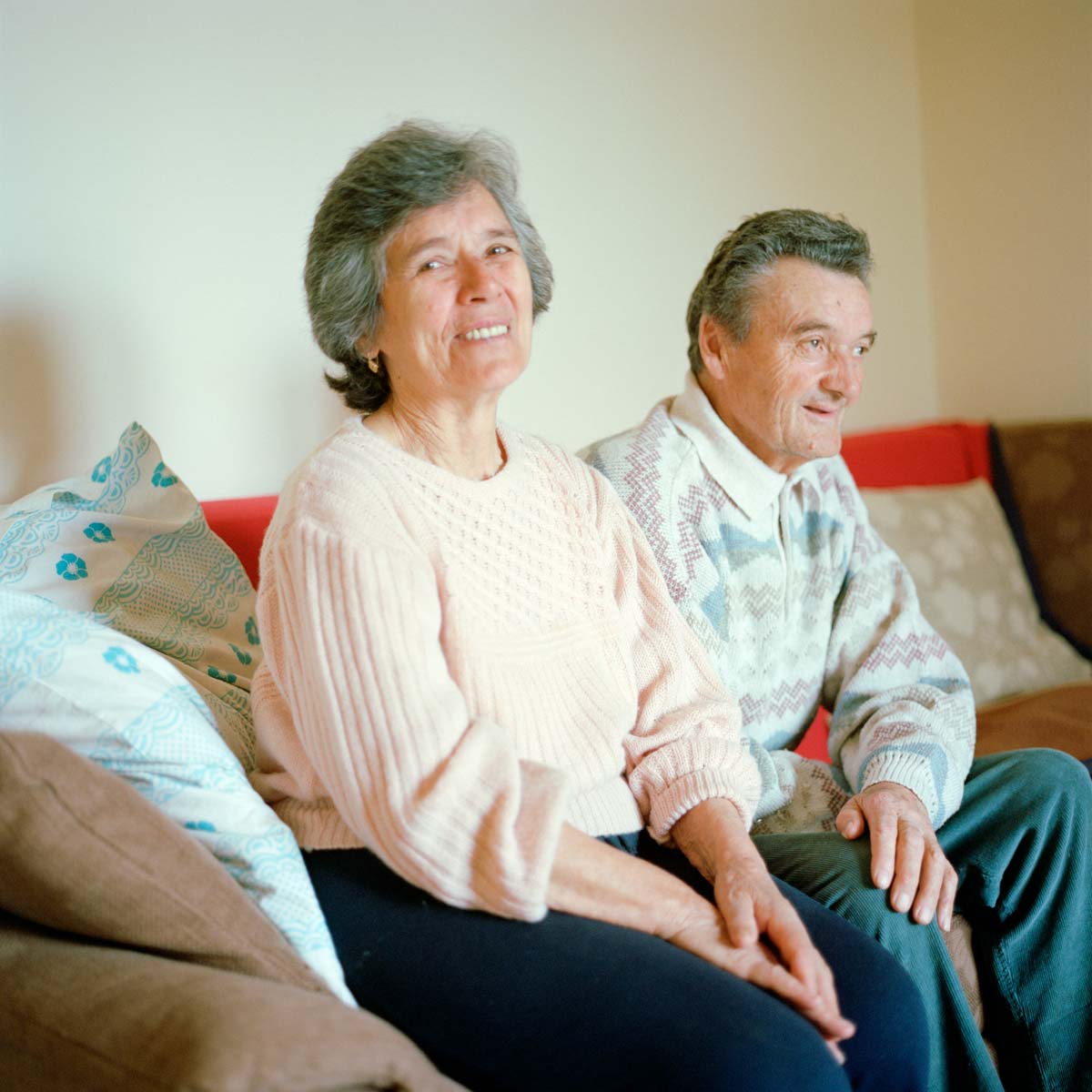
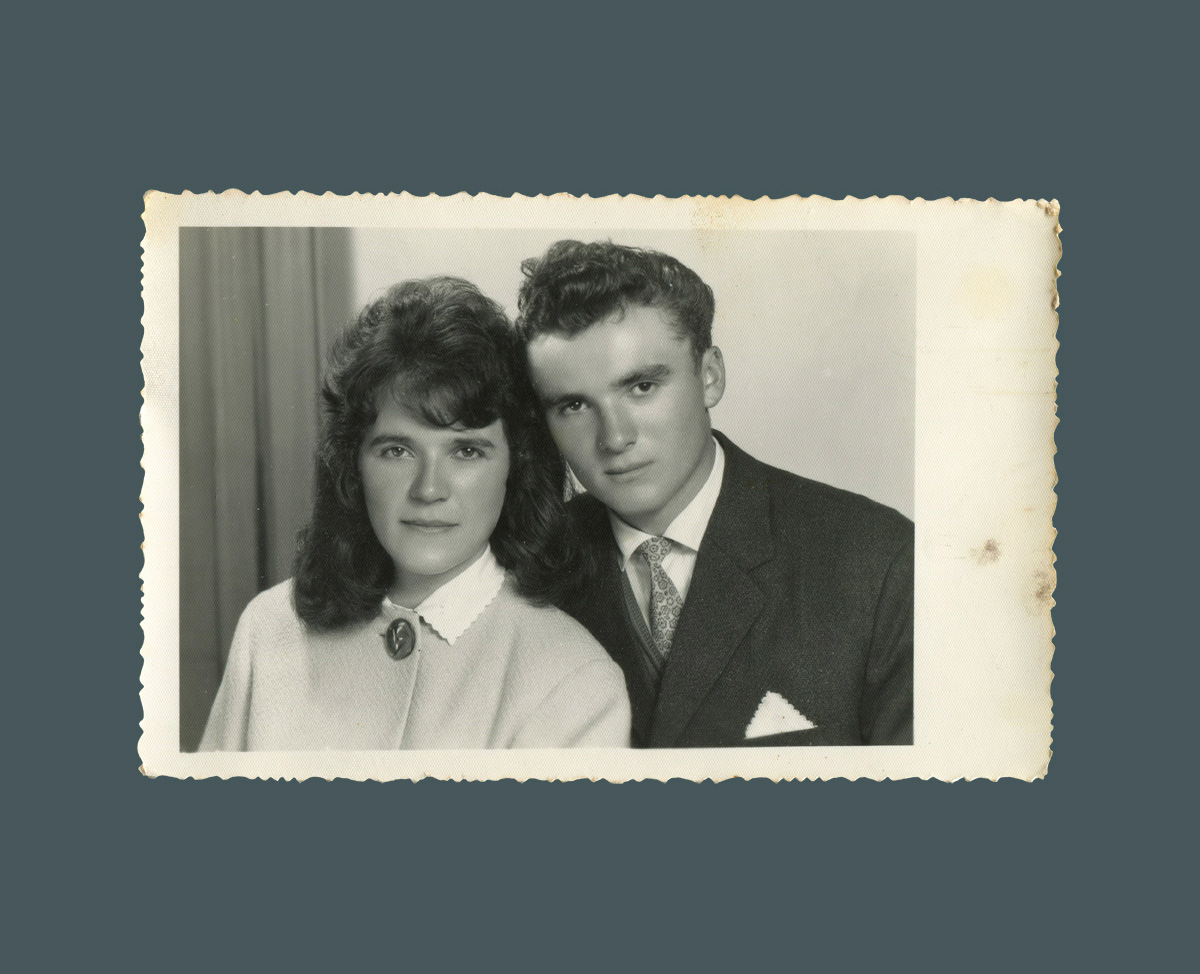
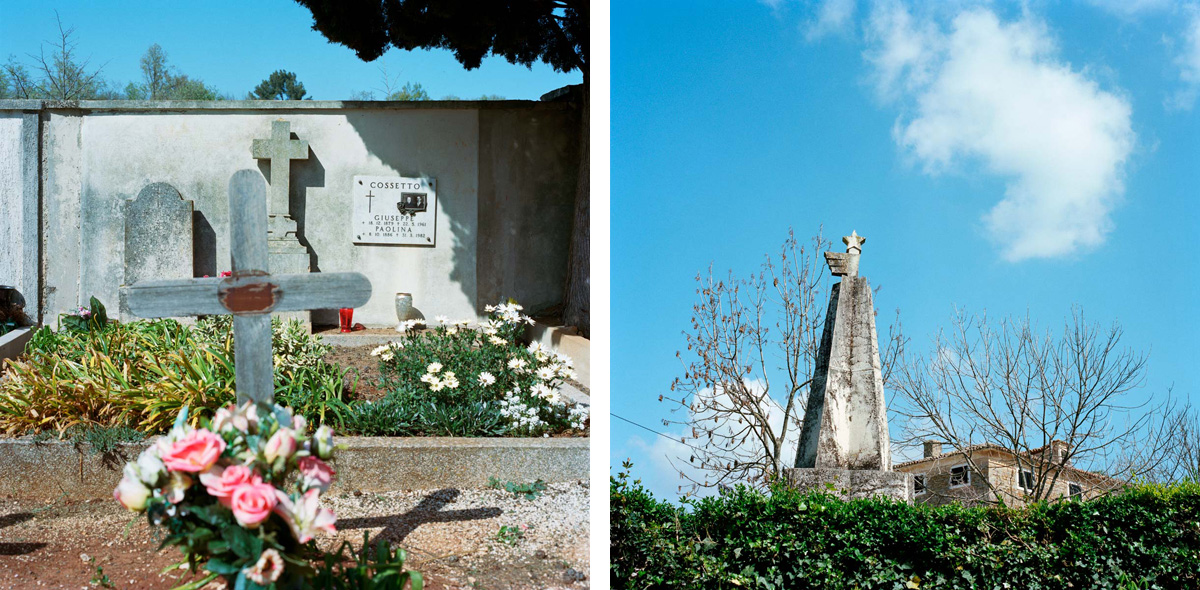
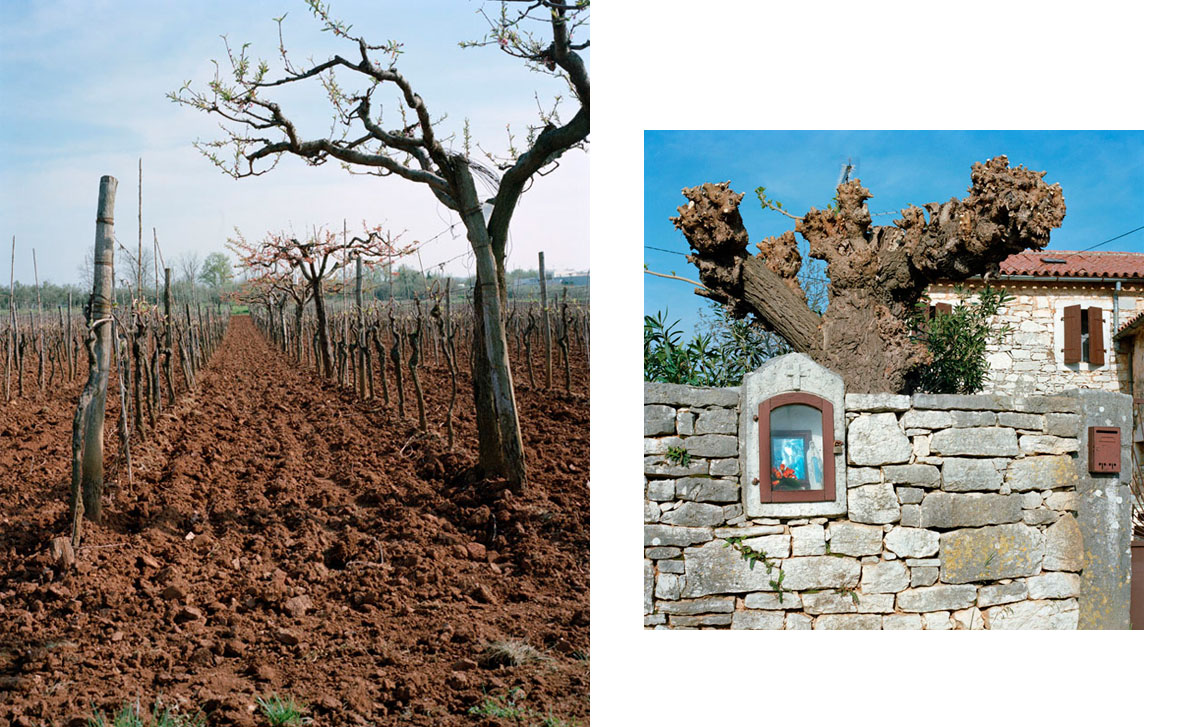
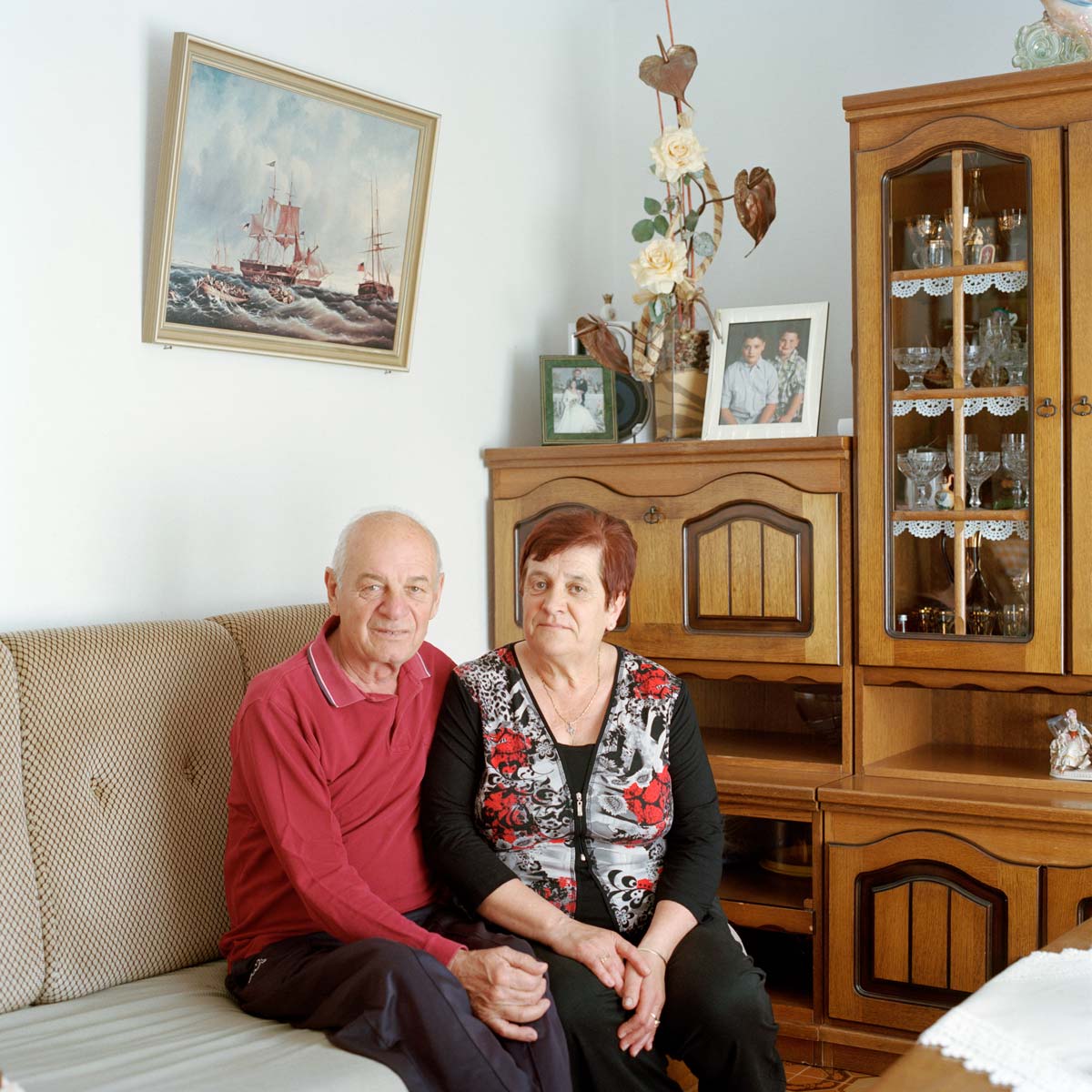
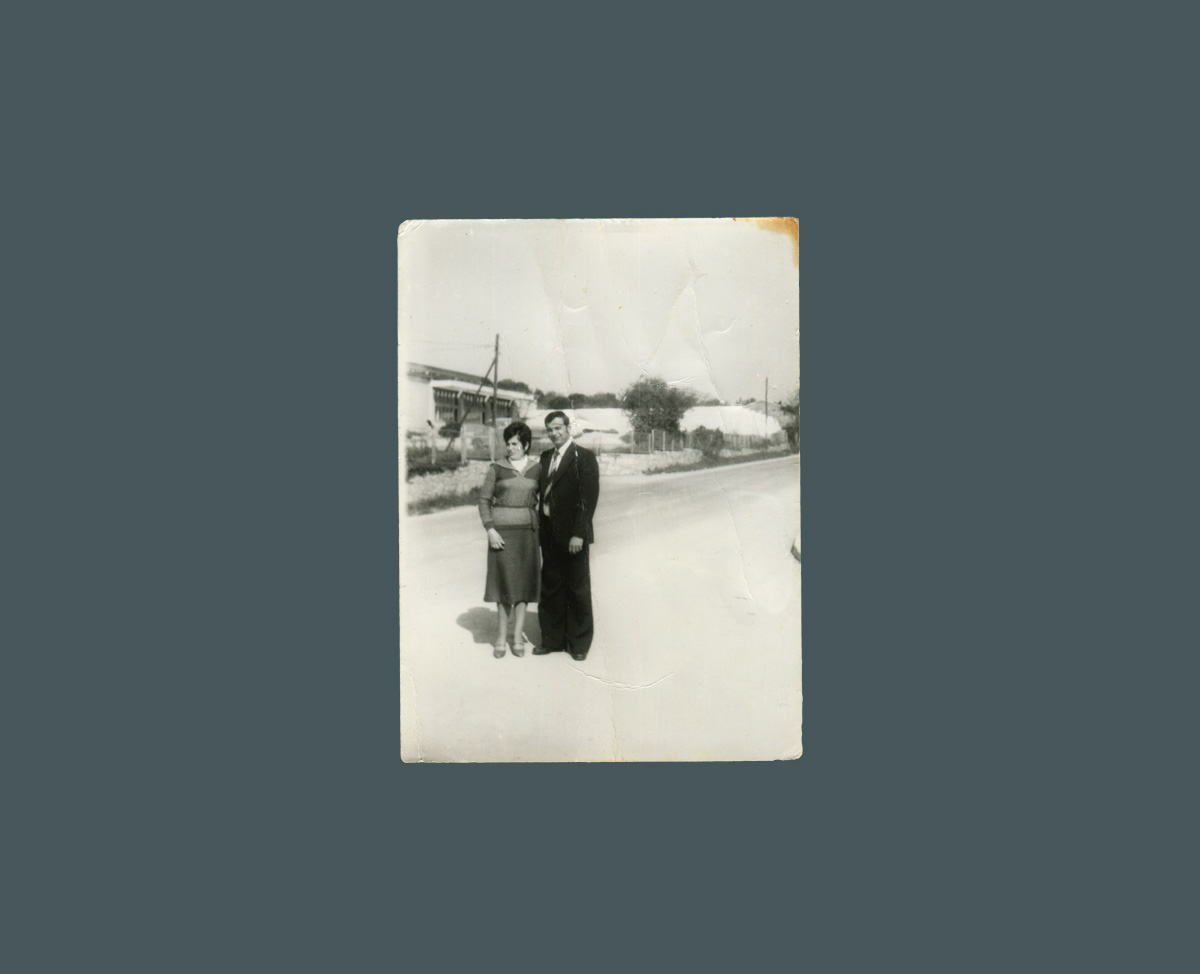
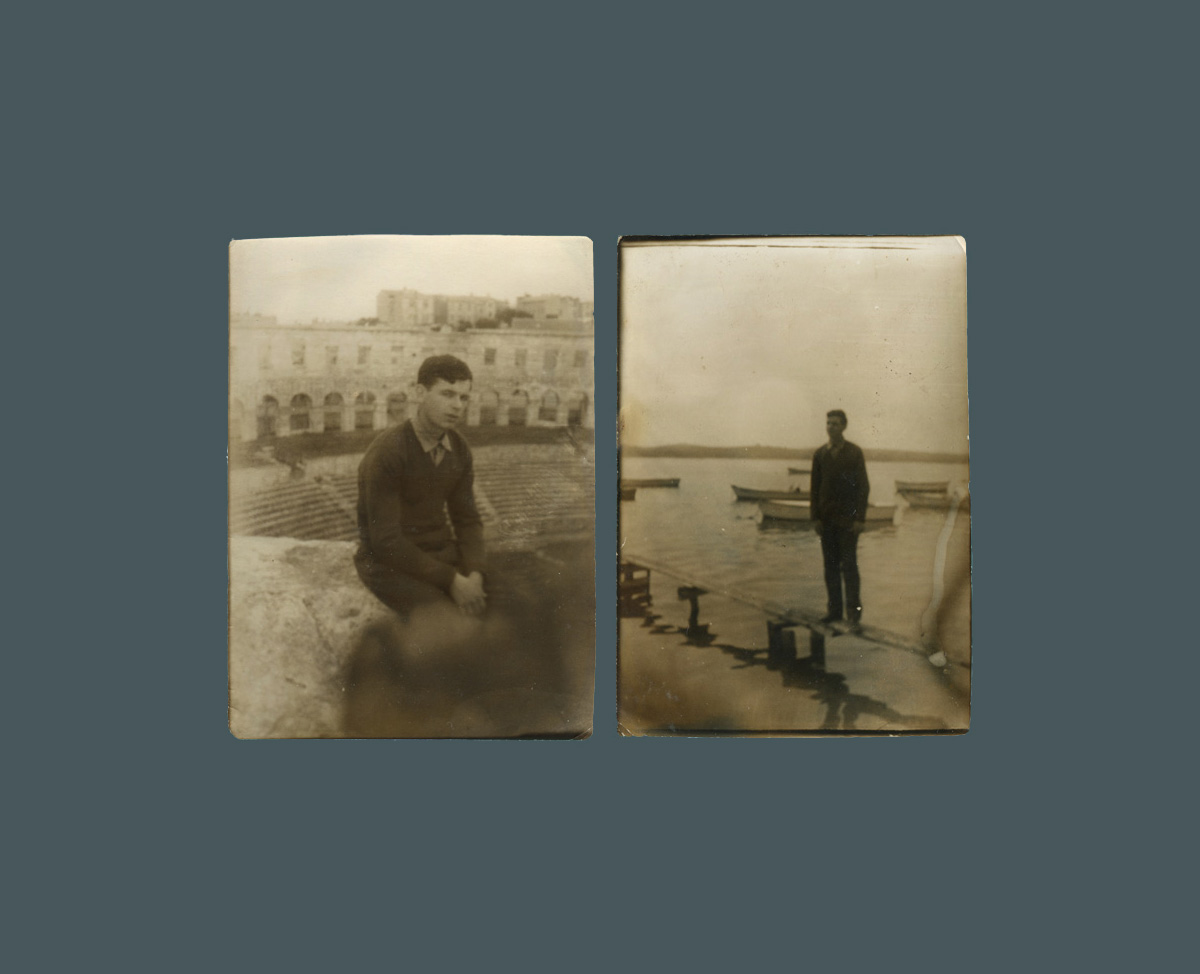
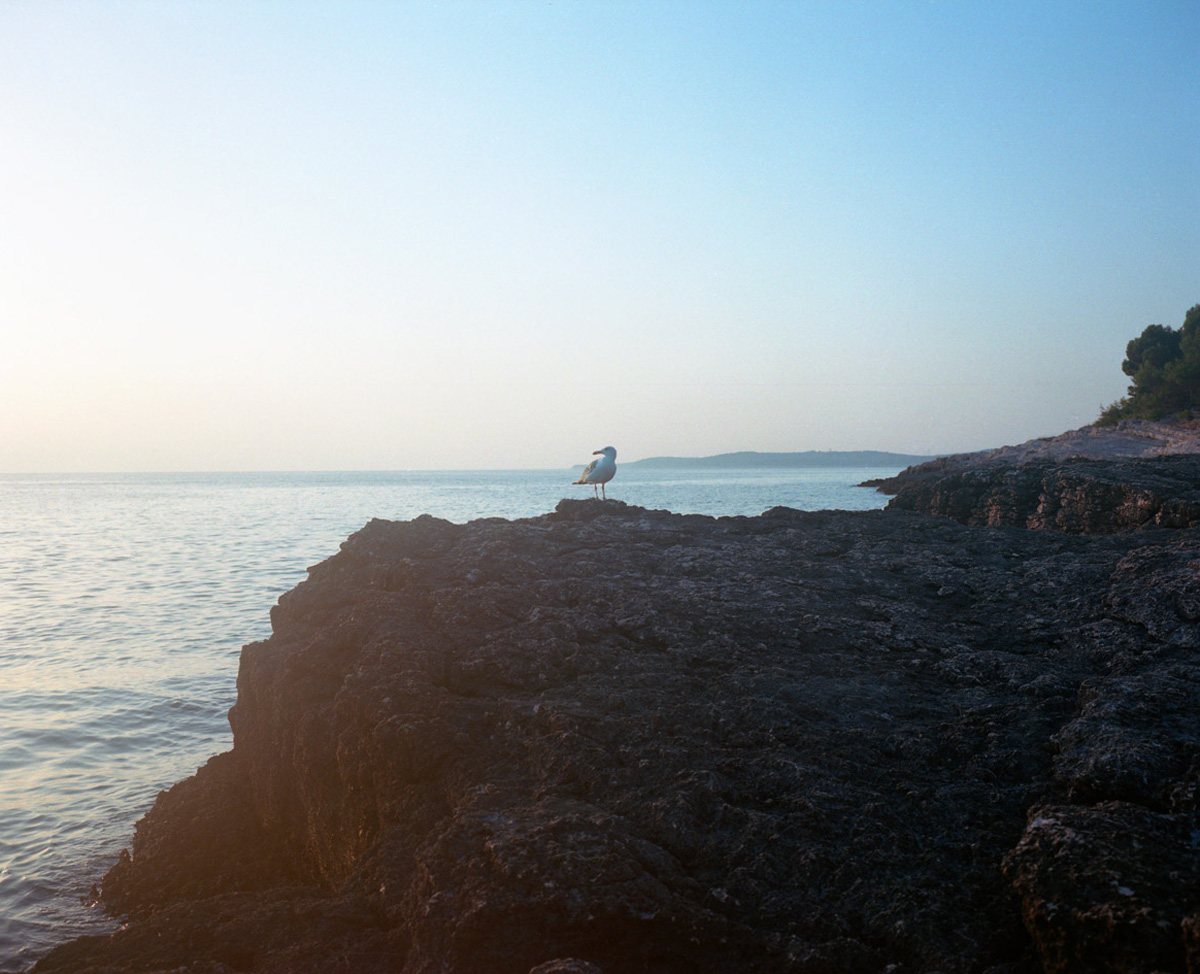
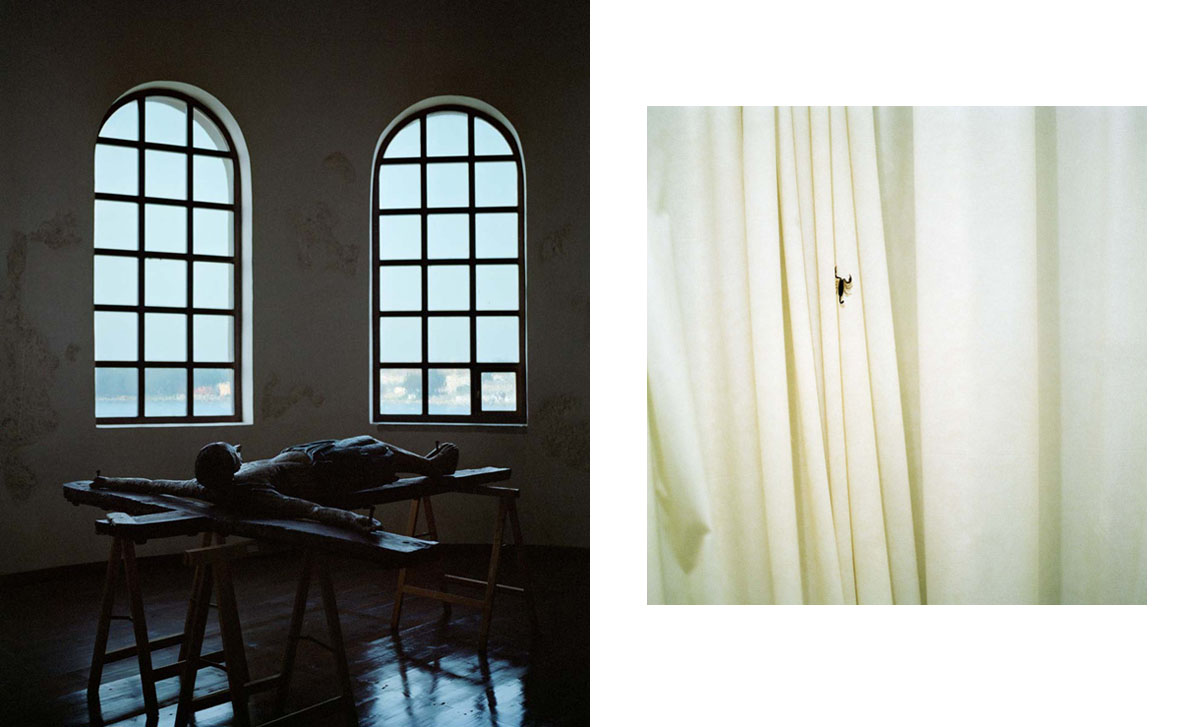
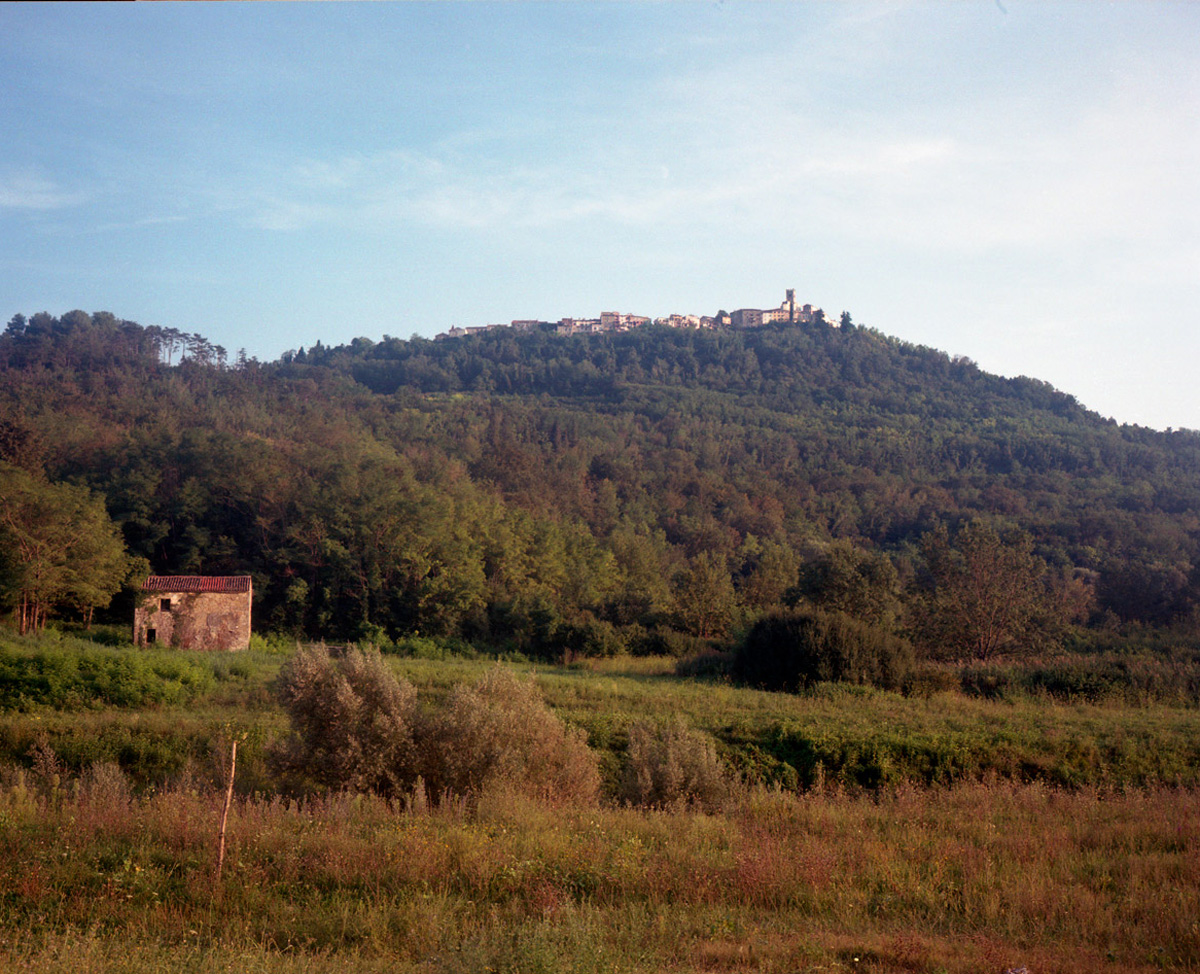
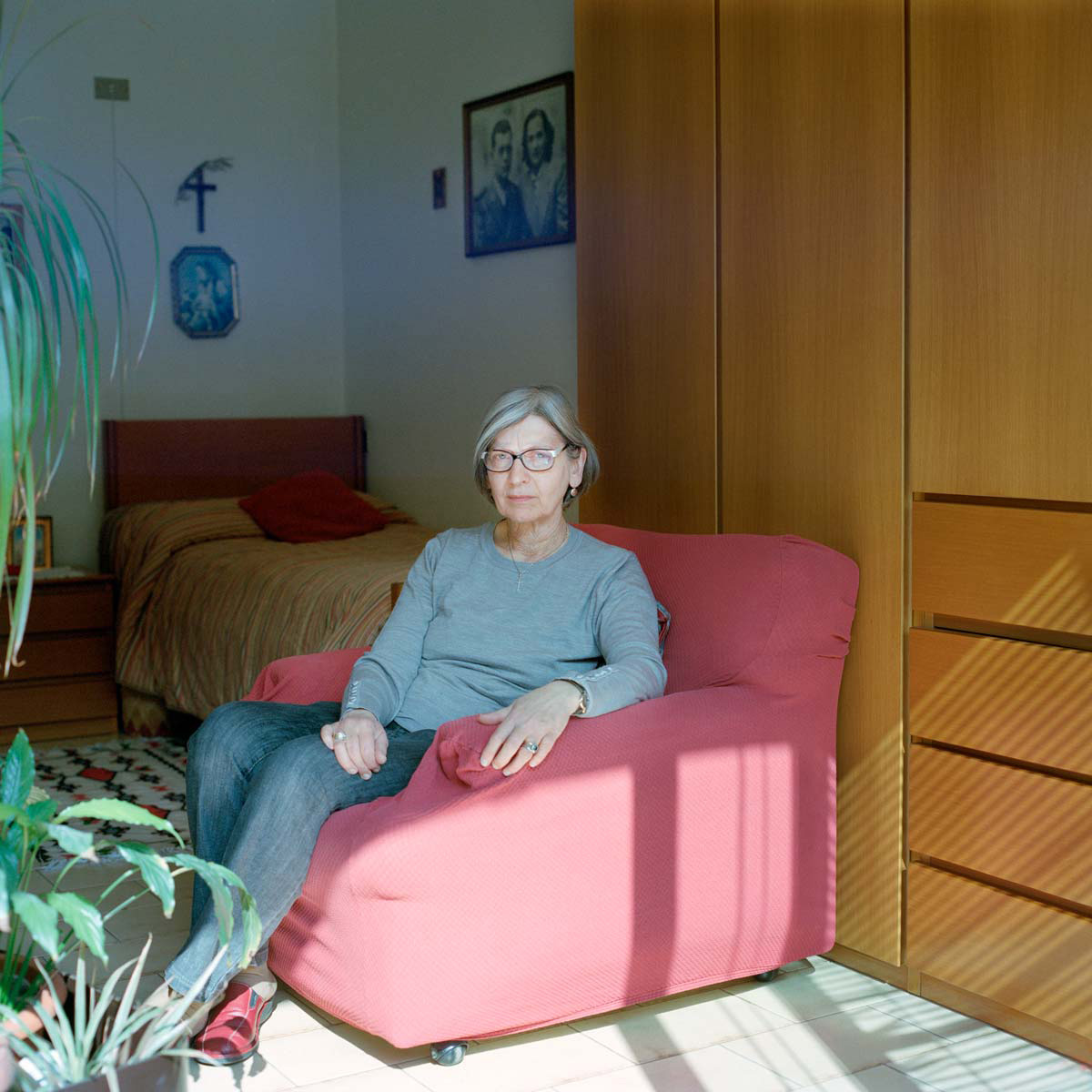
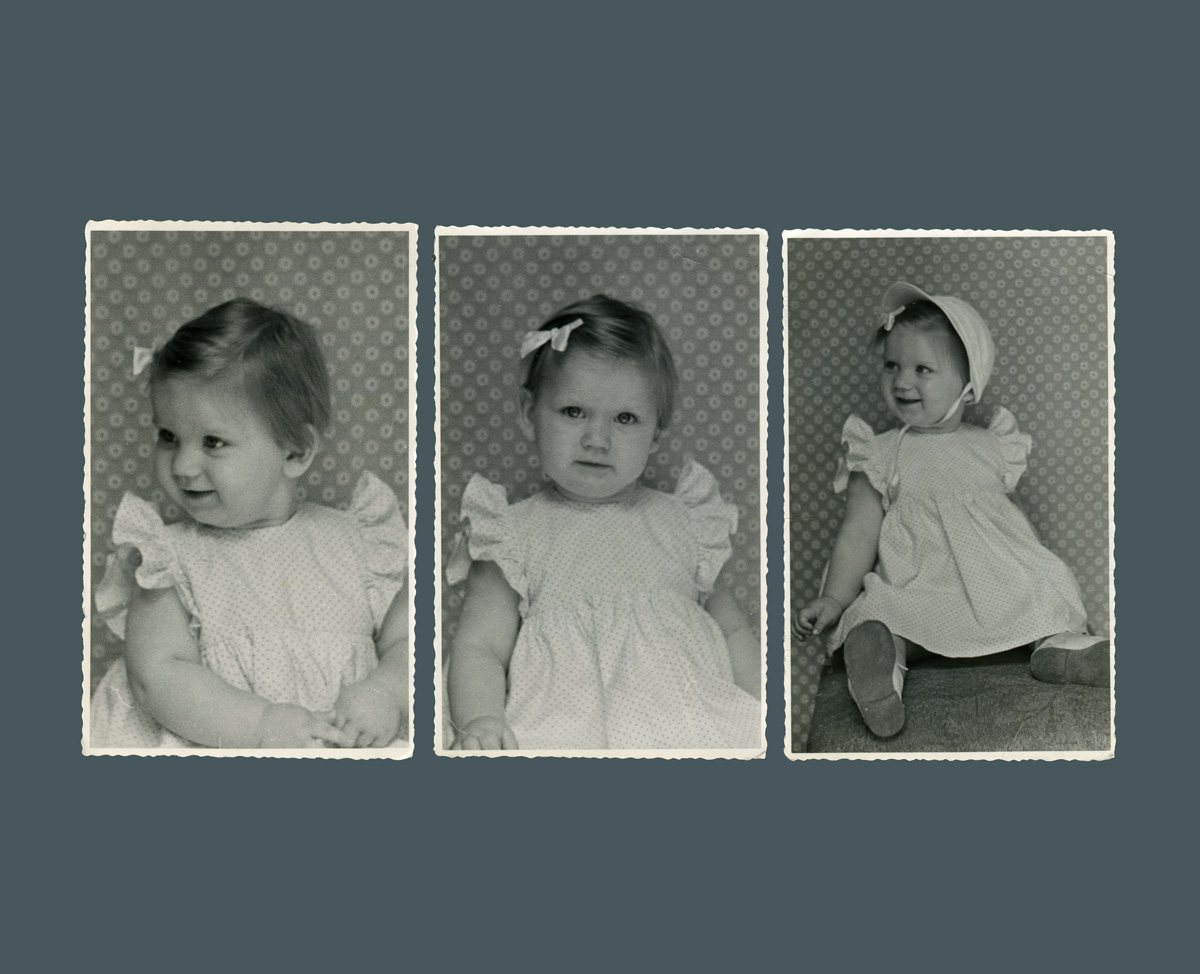
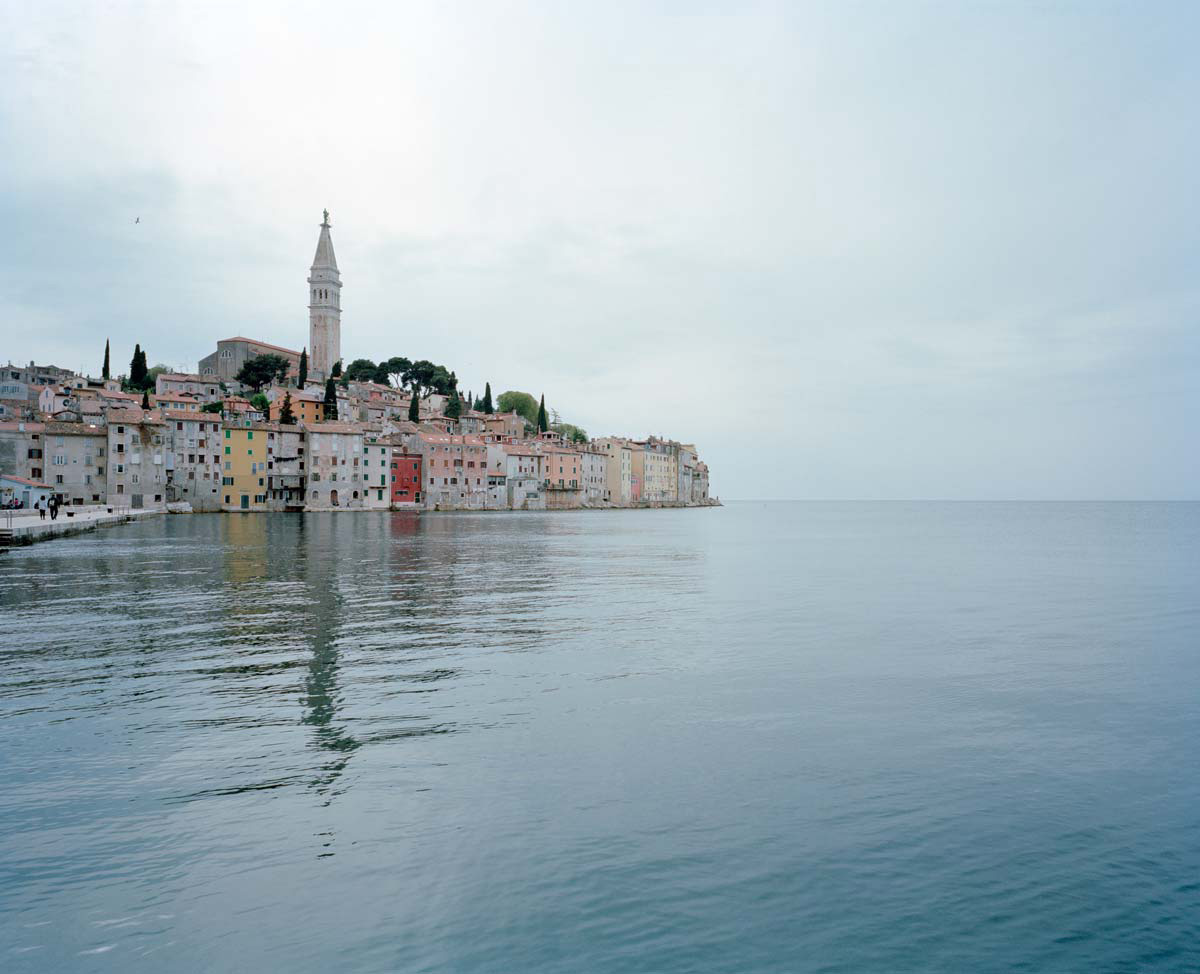
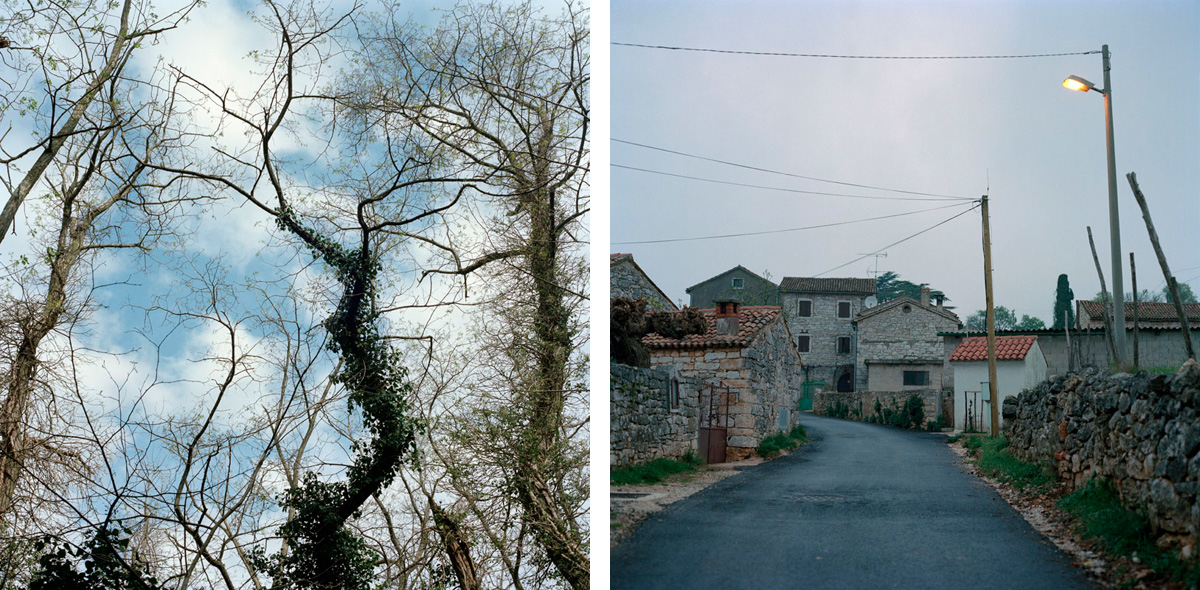
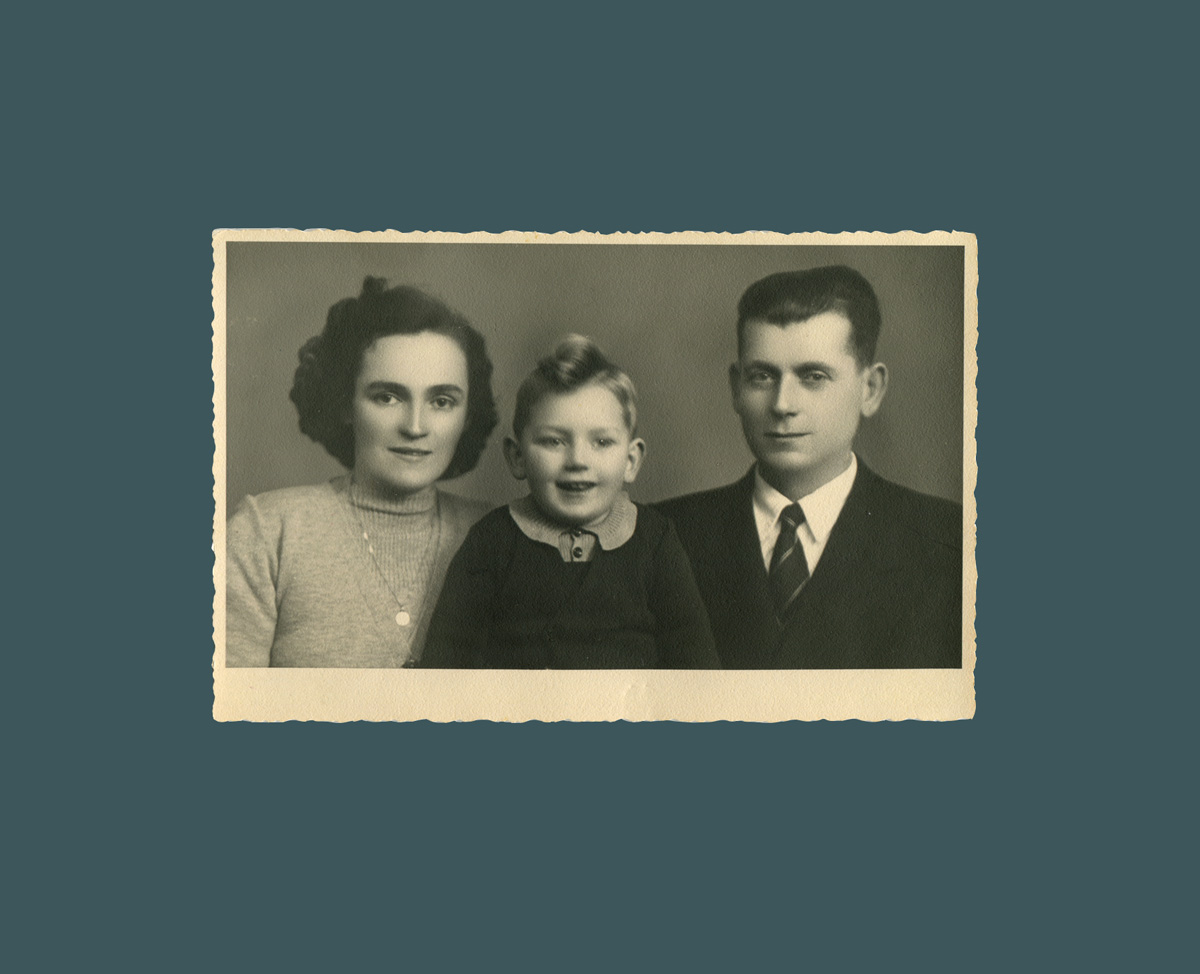
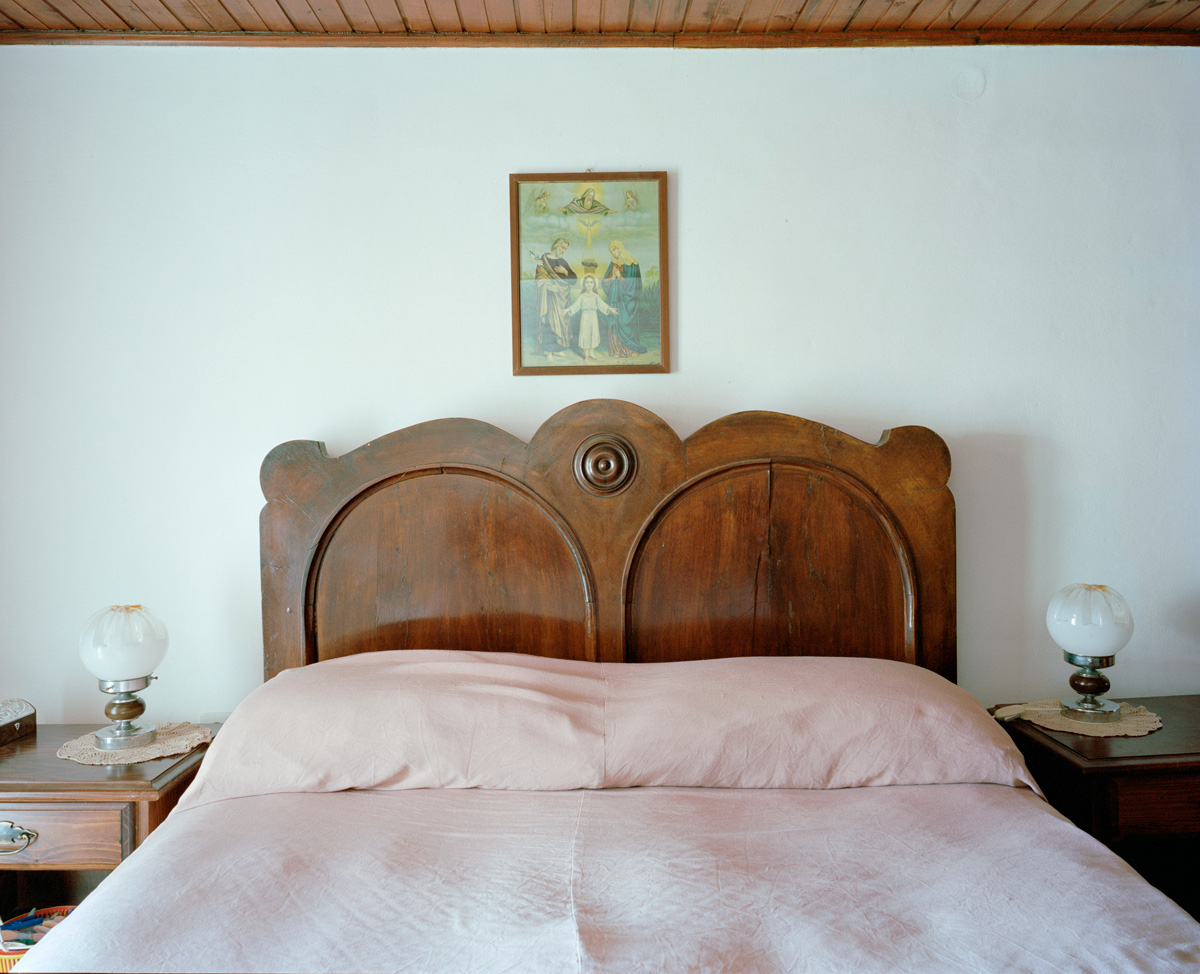
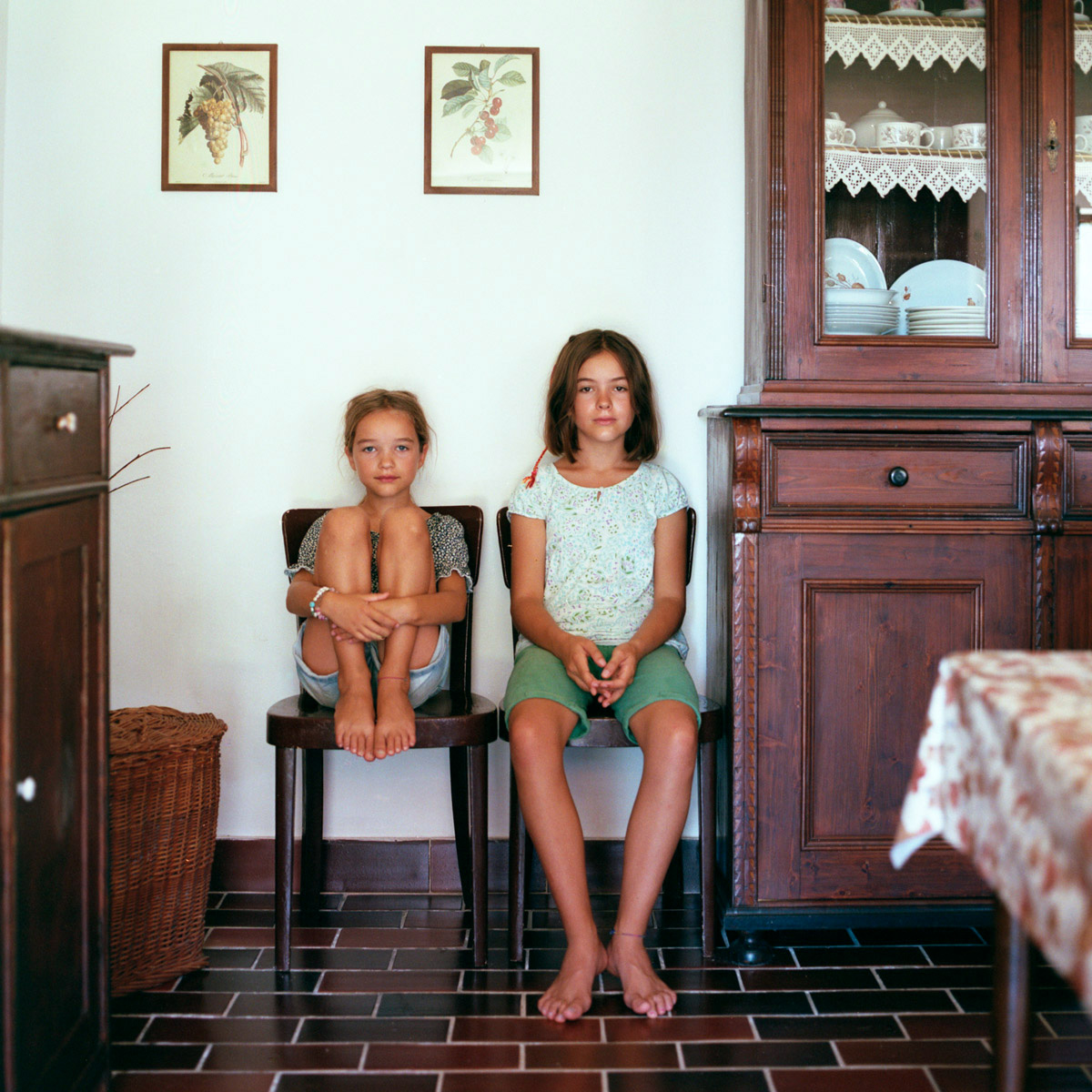
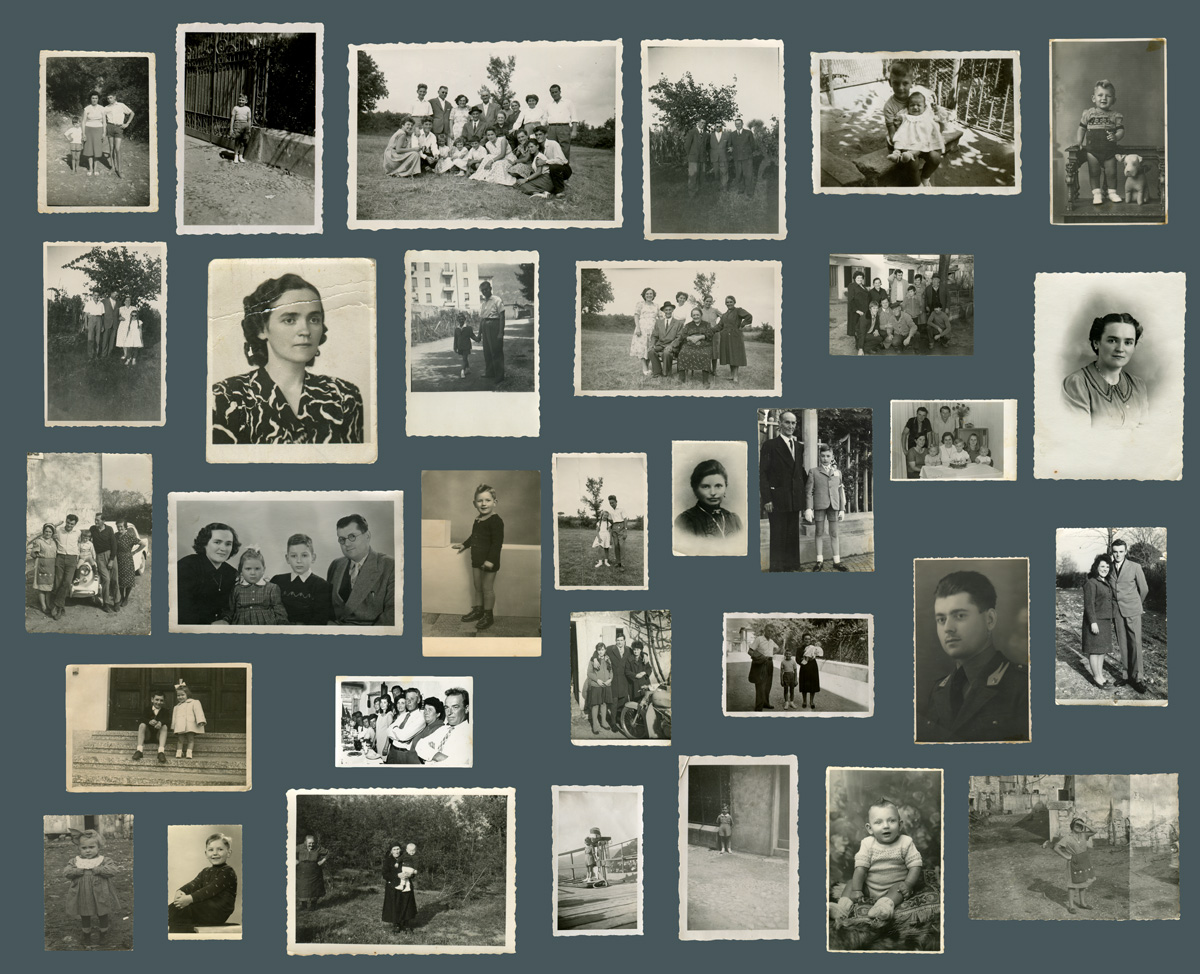
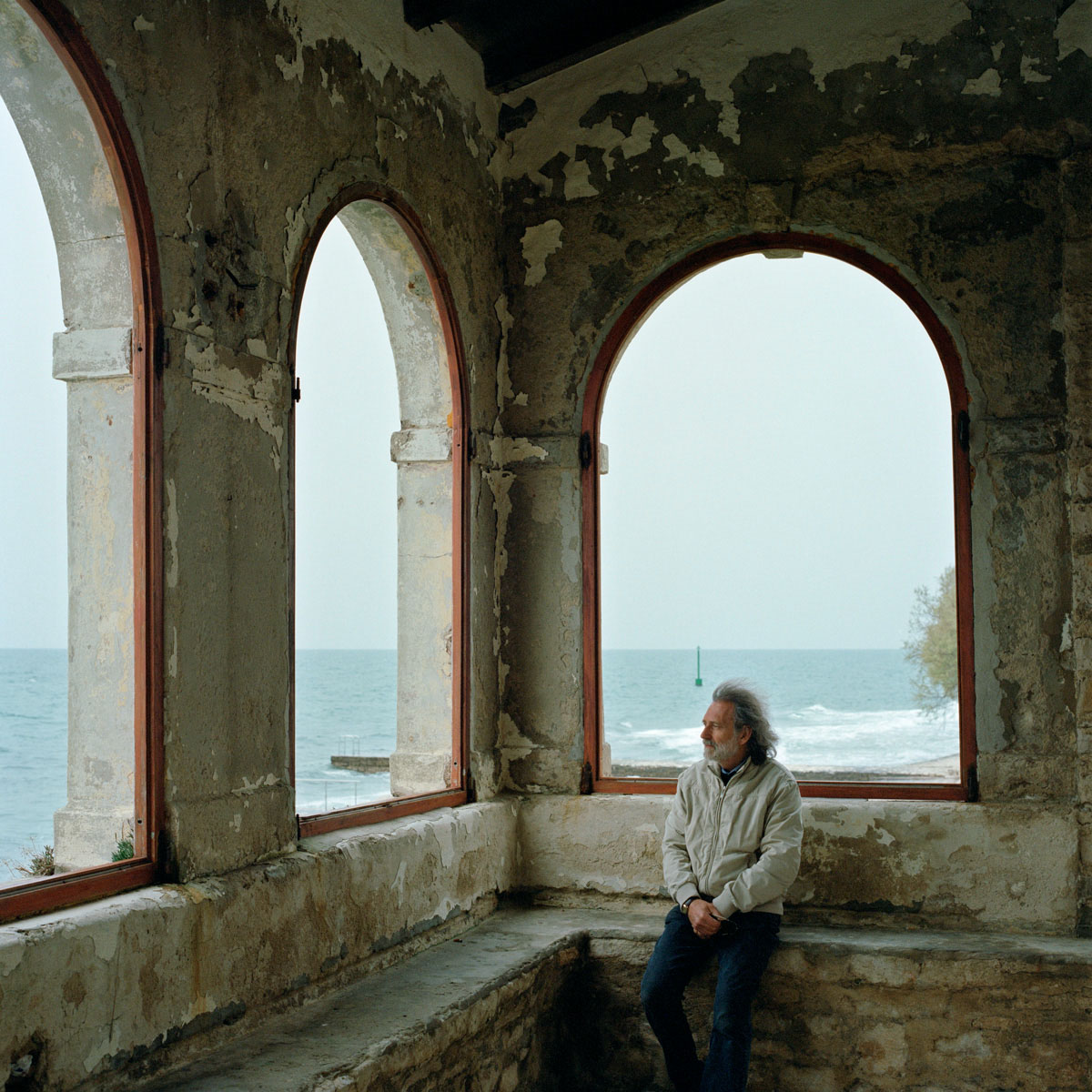
I miei nonni erano istriani. Mia nonna si chiamava Guerrina Cossetto, mio nonno Angelo portava il cognome Kocijančič, poi italianizzato in Cociani. Quando nacquero, l’Istria faceva parte dell’Impero austro-ungarico; passò poi all’Italia, in seguito divenne Jugoslavia ed è ora Croazia. Dopo la Seconda Guerra molti istriani lasciarono il Paese e tra loro anche i miei nonni, che si stabilirono in Italia. Altri familiari invece, tra i quali i miei bisnonni, rimasero: erano contadini e amavano intensamente la loro terra.
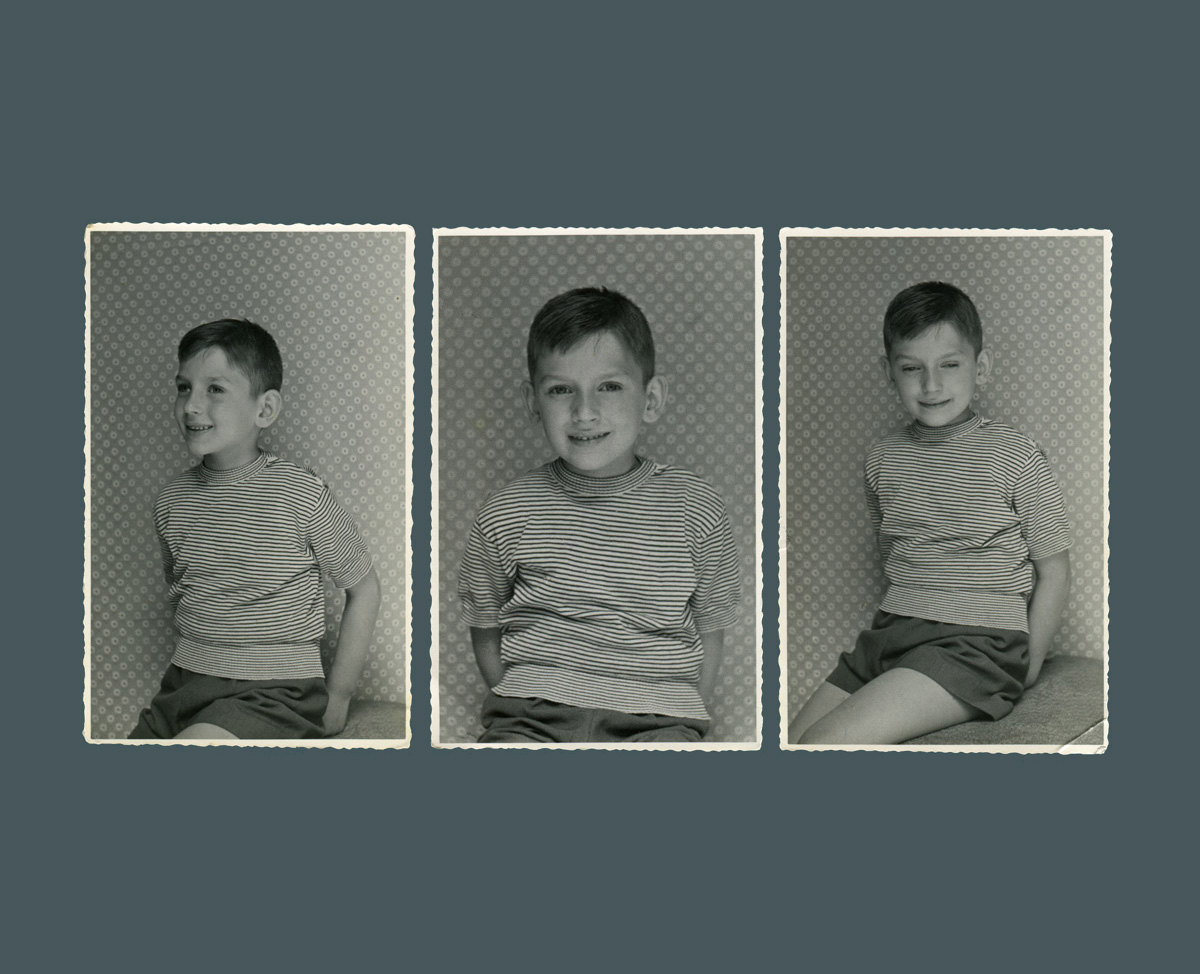
Sento un profondo legame con quei luoghi. Conservo lontani ricordi di bambina, di quando andavo in vacanza a trovare i nonni che passavano lunghi periodi estivi nella loro casetta istriana. E in particolare custodisco i racconti di mia nonna, di mio papà e di mia zia, una memoria strettamente intrecciata con le vicende storiche.
Avevo bisogno di indagare il motivo di questo mio profondo amore per l’Istria, di interrogare il passato per comprendere meglio il mio presente. Così, da adulta, ho deciso di tornare in questa terra tanto cara ai miei avi: nel 2014 con mio padre, nove anni dopo con la mia famiglia.
Sono stati due viaggi diversi ma entrambi molto intensi. Il primo ancorato al passato, accompagnato dai ricordi di mio padre e dagli incontri con parenti lontani. Il secondo, invece, legato al presente e segnato dal desiderio di riuscire a trasmettere alle mie figlie la forza di queste mie radici.
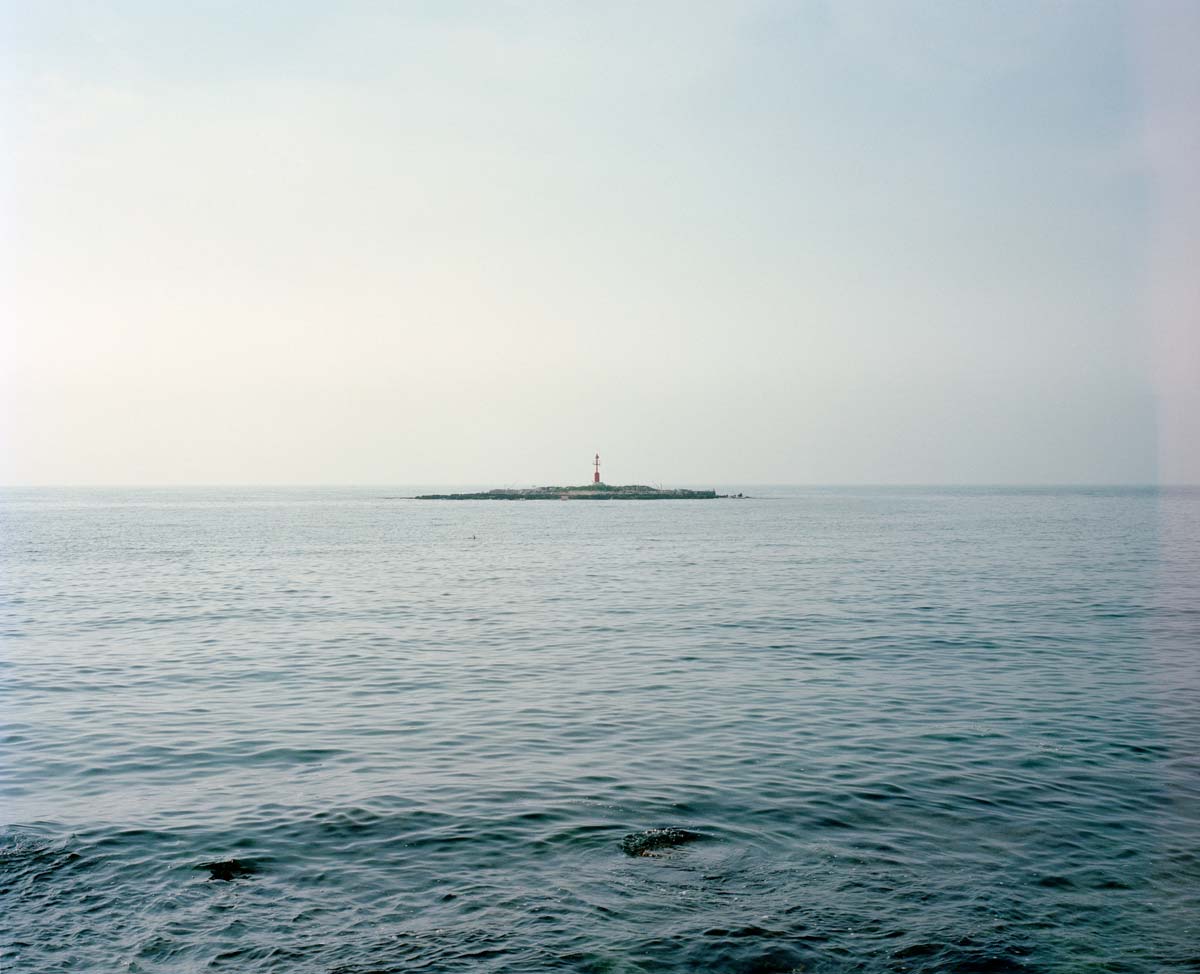
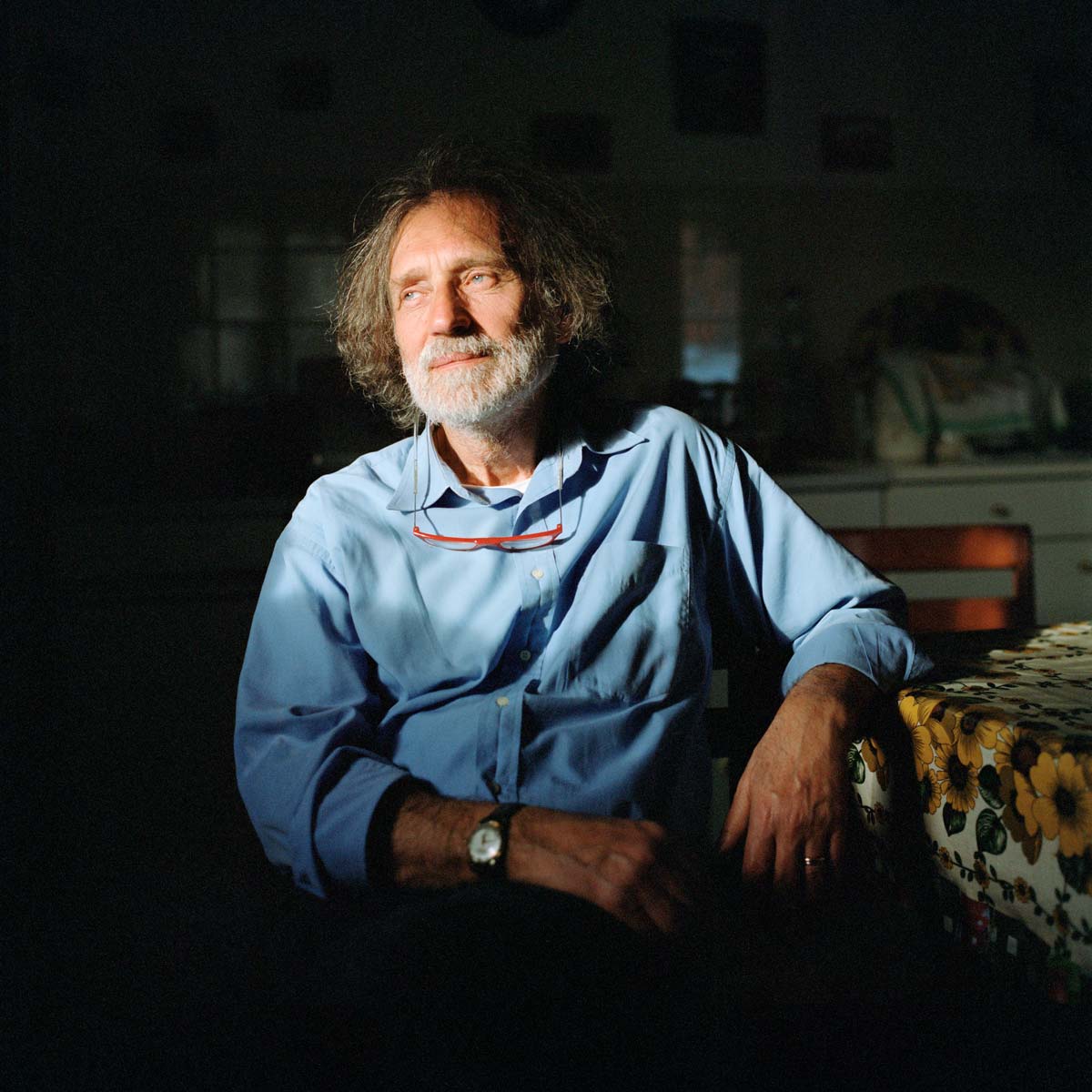
Porterò sempre con me la fotografia di mio papà nella penombra della cucina di casa dei nonni, con quello sguardo azzurro. Uno sguardo limpido e profondo, come il mare istriano.
My grandparents were from Istria. My grandmother’s name was Guerrina Cossetto, and my grandfather Angelo had the surname Kocijančič, which was later Italianized to Cociani. When they were born, Istria was part of the Austro-Hungarian Empire; it then passed to Italy, later became Yugoslavia, and is now Croatia. After World War II, many Istrians left the country, including my grandparents, deided to move to in Italy. Other family members, including my great-grandparents, stayed behind: they were farmers and loved their land deeply.
I feel a deep connection to those places. I have distant memories from my childhood, of when I used to go on vacation to visit my grandparents, who spent long summers in their little house in Istria. And in particular, I cherish the stories told by my grandmother, my father, and my aunt—memories that are closely intertwined with historical events.
I needed to explore the reason behind my deep love for Istria, to question the past in order to better understand my present. So, as an adult, I decided to return to this land so dear to my ancestors: in 2014 with my father, and nine years later with my family.
They were two different journeys, but both were deeply meaningful. The first was rooted in the past, filled with memories of my father and encounters with distant relatives. The second, on the other hand, was tied to the present and driven by a desire to pass on to my daughters the strength of my roots.
I will always carry with me the photograph of my dad in the dim light of my grandparents’ kitchen, with that blue gaze. A gaze as clear and deep as the Istrian sea.